 02/05/2026
Yes, the Peaky Blinders were real. They were a loose network of street gangs in Birmingham from the 1880s to the early 1900s. But the show invented Thomas Shelby and his family, and the razor blades in their caps are almost certainly a myth.
If you have watched Peaky Blinders, you have probably wondered how much of it is true. Here is what we know about the real gang, the Birmingham they came from, and where they really filmed the series.
Much of what we know comes from historical research into working-class Birmingham at the time. Historians such as Carl Chinn have helped separate fact from fiction. His book The Real Peaky Blinders is one of the best accounts of the period.
Partly. The gang name, the city and the world of street violence, betting and poverty all come from real history. The Shelby family, their business empire and most of the storylines are fiction. A handful of real people from the period also appear alongside them.
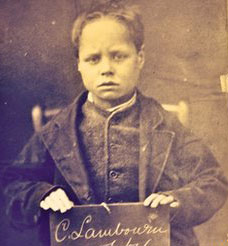
Yes, but not in the way the series shows.
The real Peaky Blinders were active in Birmingham from around the 1880s into the early 1900s. They were not a single organised gang led by one family. Instead, they were a loose network of street gangs in areas such as Small Heath, Aston and around the Bull Ring.
They had a reputation for street fights, violence and intimidation. But they were a long way from the organised crime empire you see on screen.
Nobody knows for certain, but the most popular explanation is fairly simple. “Peaky” refers to the peaked flat caps the gang wore. “Blinder” was local slang for someone who looked sharp or stood out. Put together, it described a young man who dressed to turn heads.
The more dramatic idea, that they hid razor blades in their caps to blind rivals, came much later. It owes a lot to the TV series.
The real gang was at its height in the 1890s. By 1919, when the series begins, they had largely faded. Bigger, more organised operations such as Billy Kimber’s Birmingham Boys had taken over.
So the show takes place roughly twenty years after the real Peaky Blinders’ heyday.
No, Thomas Shelby, or Tommy as most fans know him, was not real.
There is no historical record of a gang leader like him running Birmingham. But the character did not come from nothing.
The show’s creator, Steven Knight, has spoken about family stories from Birmingham’s past. These include people with the surname Sheldon, who may have helped inspire the Shelby name.
So while Tommy Shelby feels real, he is a blend of fiction and fragments of history.
While the Shelbys are fictional, several people in the series were very real.
Billy Kimber was a genuine Birmingham gangster. He ran the Birmingham Boys and controlled a large share of the racecourse rackets in the early 1920s.
Darby Sabini led a rival London gang. His long-running fight with Kimber for control of the racecourses was real.
Alfie Solomons takes loose inspiration from a real Alfie Solomon, who worked alongside Sabini. Most of the character on screen, though, is Steven Knight’s invention.
Winston Churchill and Oswald Mosley were, of course, real political figures. Their dealings with the Shelbys, however, are pure fiction.
To understand the real Peaky Blinders, you have to look at Birmingham at the time.
The city was growing fast through industry, but for many people life was tough. Families lived in overcrowded back-to-back houses, sanitation was poor, and work was often hard and low-paid.
For many young men, the streets shaped everything: reputation, survival and identity. Gangs like the Peaky Blinders grew out of that environment.
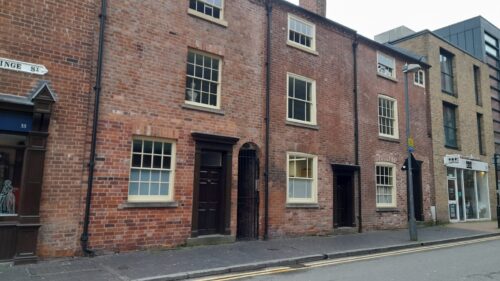
Probably not.
It is one of the most famous parts of the show, but most historians do not believe it was real.
At the time, razor blades were still relatively expensive and not something gangs would have used in that way. Fights were far more likely to involve fists, belts, boots or whatever else was to hand.
It makes great television, but it is almost certainly a myth.
Not quite like Tommy Shelby.
The real gangs did care about how they looked, and they had a style all of their own. They wore peaked caps, bell-bottom trousers, silk scarves knotted at the neck and heavy hobnailed boots. They cut their hair short at the back, with a long fringe at the front.
The sharp three-piece suits and perfectly styled hair in the series are a modern interpretation. The real Peaky Blinders stood out, just not in quite the same polished way.
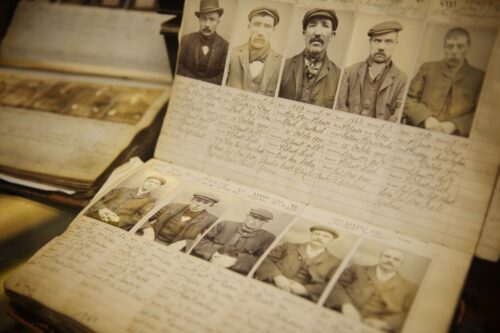
Billy Kimber is one of the closest real-life figures to what you see in the show.
He started out in Birmingham but moved into more organised crime, particularly around racecourses. There, money, betting and control were all at stake.
His story shows how smaller street gangs grew into something bigger and more structured. The series draws most on this later, more organised world.
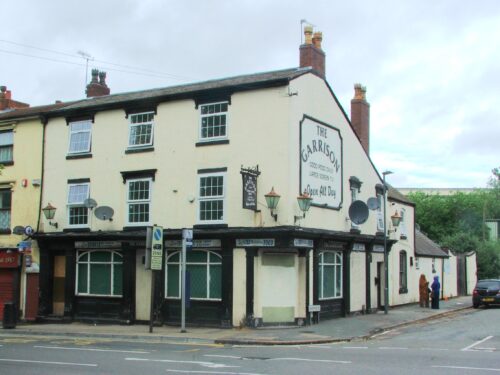
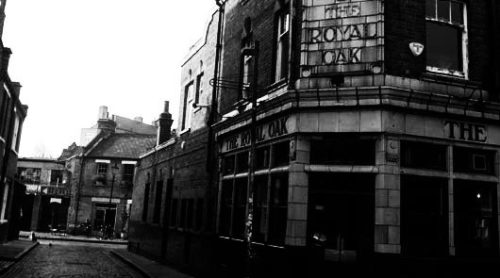
The Garrison in Bordesley, Birmingham, is one of the places people most often link to the Peaky Blinders.
There is no clear evidence that it was a central meeting place for the gang, as the series suggests. It does represent the kind of place the Peaky Blinders would have known well. Local pubs played an important role in working-class communities at the time.
In the series, the Garrison is a key setting, but the crew never filmed at the real pub. The production recreated it using studio sets and other locations. Liverpool also stood in for many of the Small Heath street scenes. You can still walk some of those streets on our Peaky Blinders walking tour of Liverpool.
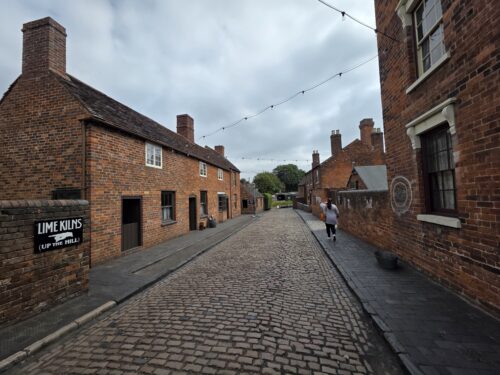
If you are wondering what life was really like at the time, visit places that still reflect that world today.
The Black Country Living Museum in Dudley gives a clear picture of the world the real Peaky Blinders would have known. Its streets, canals and historic buildings recreate the industrial setting of the late 19th and early 20th centuries.
It is not the exact location of the real gang, but it brings that period into focus. The series also filmed there. That makes it one of the few places where the real history and the show meet.
Since the release of the film Peaky Blinders: The Immortal Man, interest in places like this has grown even further. More people now want to understand the reality behind the story.
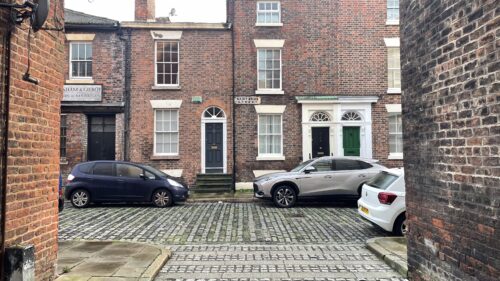
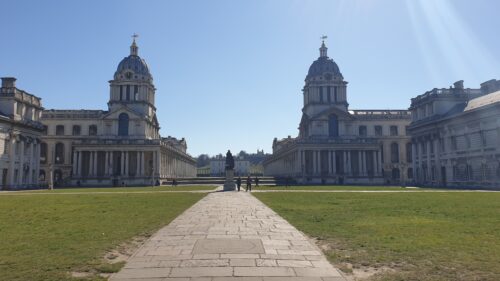
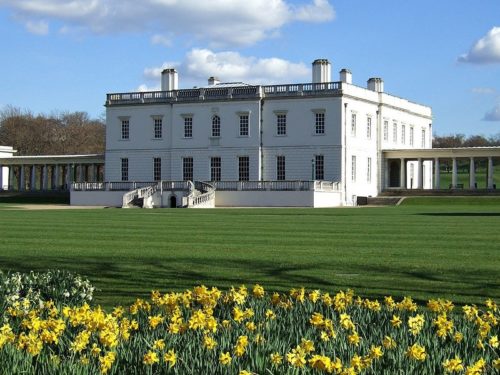
Although the story takes place in Birmingham, the production filmed very little of it there. Liverpool stood in for much of Small Heath and beyond, thanks to its well-preserved Victorian and industrial architecture. The Wirral, the Black Country Living Museum and other locations across the North West filled in the rest.
In central Liverpool, you can find the spots behind some of the show’s best-known scenes, including:
Further out, across Liverpool and the Wirral, you will find:
If you would like to see these places for yourself, there are two ways to do it.
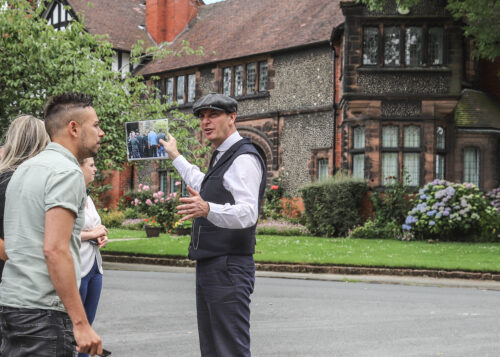
This four-hour walk starts outside Liverpool Town Hall. It takes in more than ten filming locations from all six series, with a drink at a Liverpool pub along the way.
With your own guide and driver, this tour picks you up in central Liverpool. It then heads out across the city and the Wirral to places you cannot easily reach on foot. These include Polly’s house, Garrison Lane and Alfie Solomons’ warehouse. You can also add a visit to the church where Tommy married Grace, with a cream tea.
Seeing these places in person brings the real history closer and shows how the series brought it to life.